
Most of us have one. It’s the room with the door you keep shut when friends come round. Inside there’s a folded clothes horse, three boxes from the last move and a bed that gets slept in twice a year. It feels like wasted space, and with every square metre of a UK home costing what it does, that’s because it is.
Plenty of people are now doing something about it. A survey by David Wilson Homes found that 73% of British homeowners have a spare room, and just over half want to turn it into a space that brings them joy. So what are they turning it into, and how do you make the change work?
Why the Guest Room Is Losing Its Grip
The traditional guest room made sense when relatives came for long weekends and nobody worked from home. Lifestyles have moved on. Hybrid working is normal for many people, gym memberships are a cost people are questioning, and the hobbies that took off during lockdown have stuck around.
Research from Zoopla found that more than four in ten homeowners repurposed their spare bedrooms during the pandemic, and almost half of those created a home office. Many have kept it that way. A sofa bed or a decent inflatable mattress covers the odd overnight guest, which leaves the room free to work harder for the rest of the year.
Popular New Uses for Spare Rooms
The Home Office
The home office is still top of the list. A dedicated room means you can close the door at the end of the day, and that does a lot for the line between work and home life. Our guide to healthier work-life harmony has more on that. Put the desk side-on to a window so daylight falls across the screen instead of causing glare, and add a task lamp for darker afternoons.
The Home Gym
In the David Wilson Homes survey, home gyms came second (18%), just behind offices (23%). You don’t need much: a rubber floor mat, a rack for weights and a mirror to check your form. Wall-mounted storage keeps the kit off the floor. Good airflow matters too, even if that’s just a fan and a window that opens properly. If you’re building new routines, these health habits experts recommend are worth a read.
The Creative Studio or Hobby Room
Painting, sewing, music and model making all need space and make a mess, so they suit a spare room well. Wipeable surfaces, plenty of shelving and bright, neutral lighting can turn a box room into a studio. Daylight bulbs help when you need to judge colour.
The Reading Room or Snug
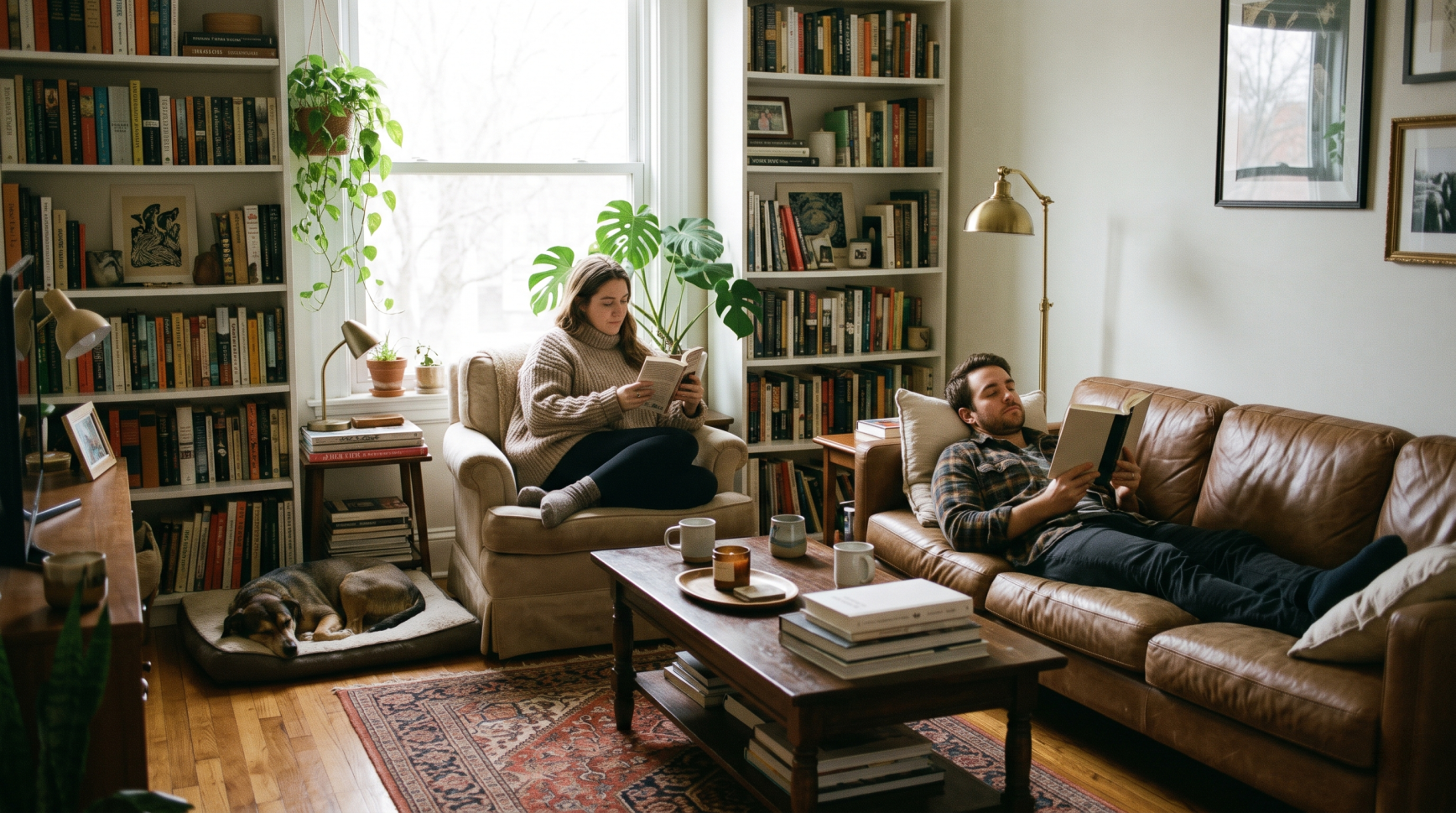
Not every room needs a to-do list attached. A comfy chair, a floor lamp with a warm bulb, a bookshelf and a rug make a quiet retreat away from the TV and the rest of the household.
Making the Space Work: Furniture, Lighting and Storage
Whatever you choose, a few principles apply:
- Choose furniture that earns its place. Fold-down desks, wall beds and storage ottomans let one room do two jobs without feeling cramped.
- Layer your lighting. A main ceiling light, task lighting and a softer lamp together make the room work at any time of day.
- Go vertical. Floor-to-ceiling shelving and wall hooks free up floor space, which matters most in smaller rooms.
- Plan the layout around the main activity. A gym needs open floor. An office needs the desk near a socket and the window.
Clearing the Room Before You Start
Most spare room projects start with a clear-out, and this is where people tend to stall. Sort everything into four piles: keep, donate, sell and dispose. The British Heart Foundation offers free collection of furniture in good condition, which suits that old wardrobe or spare bed. For anything that can’t be reused, your local council will usually run a bulky waste collection, though most charge for it. If you pay someone to take rubbish away, check they’re on the Environment Agency’s waste carrier register. If your waste ends up fly-tipped, you’re still responsible for it.
If the clear-out turns into a proper strip-back, with old carpet, flooring and broken furniture, a skip is often the simpler option, and ProSkips skip hire covers a range of sizes for domestic jobs like this. It’s also worth reading up on the hazards people miss when renovating before you start pulling things apart.
Looking Beyond the Main House
Sometimes there isn’t a spare room to repurpose, or you need more than one. That’s partly why garden rooms have become a popular choice for offices, gyms and studios. Being physically separate from the house helps with focus and noise, which is handy for musicians or anyone on calls all day.
In England, many garden rooms can be built without planning permission under permitted development rules. The Planning Portal says outbuildings must be single storey with eaves no higher than 2.5 metres. They also have to be used for purposes incidental to the house, not as separate living accommodation. The rules are different for flats, listed buildings and designated areas, so check with your local planning authority first.
From Forgotten Box Room to the Room You Actually Use
The spare room doesn’t have to be where clutter goes to hide. It could become an office, a gym, a studio or just a quiet corner to read. Either way, start from what you need from your home now, not what the room was set up for years ago. Clear it out, plan it around one main purpose and choose furniture that can flex. That door might stay open a lot more often.